Multi-Deck Pair Strategies Influence Retention Programs on French Digital Casino Sites
Écrit par Felix Carter · 1/10/2026
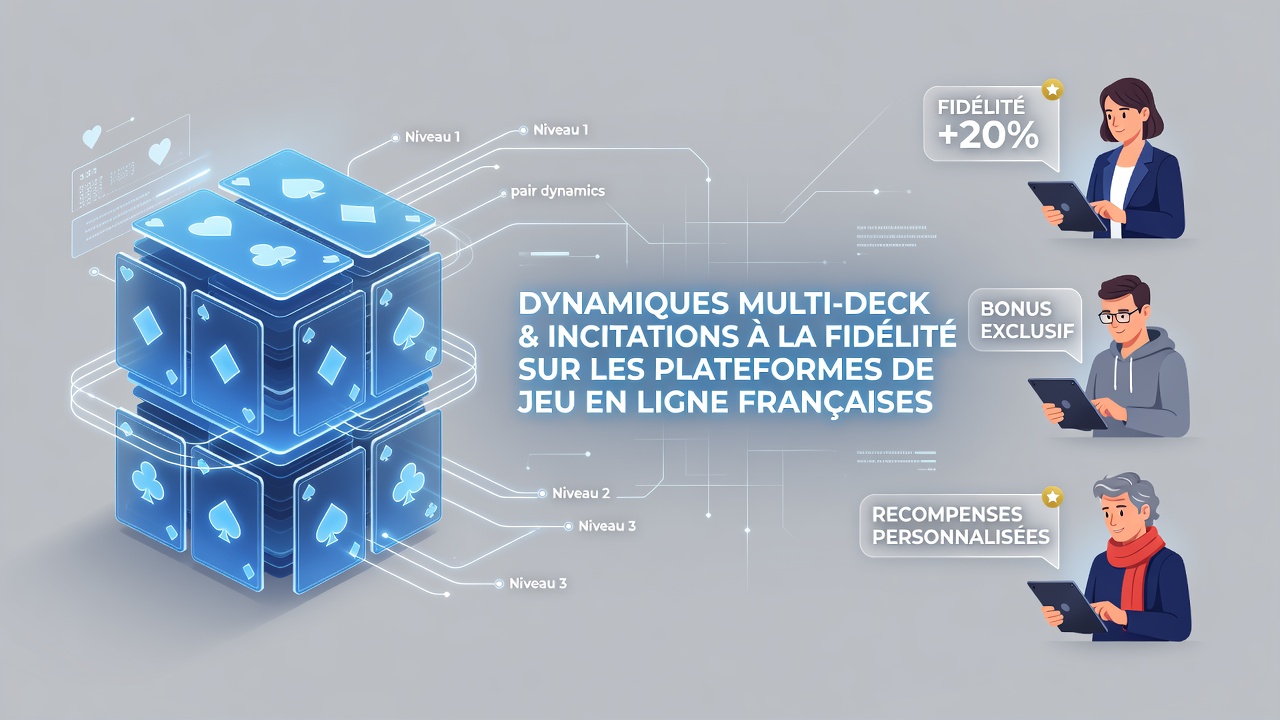
Multi-Deck Pair Strategies Influence Retention Programs on French Digital Casino Sites
Multi-deck formats dominate French online blackjack offerings because they alter pair splitting probabilities compared with single-deck variants, and platform operators have adjusted loyalty structures accordingly. Research from the French gaming authority indicates that operators track split decisions on pairs such as eights, nines, and aces more closely since October 2024 rule updates, while data collected through 2026 shows continued refinement of reward tiers tied to those decisions. Players who consistently apply optimal multi-deck splitting receive bonus credits or accelerated point accumulation, yet the mechanics remain grounded in statistical house-edge calculations rather than promotional flair.
Multi-Deck Mechanics and Pair Decision Patterns
Standard multi-deck shoes contain six or eight decks, which shifts the frequency of certain pair combinations and changes the expected value of splits. According to figures released by the Autorité Nationale des Jeux, operators recorded a 14 percent rise in tracked splits on paired nines during the first half of 2026, coinciding with updated software that logs each decision against basic strategy tables calibrated for multi-deck play. Those who follow the adjusted charts receive incremental loyalty multipliers, whereas deviations trigger standard point awards without the additional layer. The pattern holds across multiple sites licensed under French regulations, where the same pair receives different treatment once the shoe depth exceeds four decks.
Loyalty Incentive Structures Built Around Pair Data
Retention programs now segment users by observed splitting accuracy on high-impact pairs. Operators award tiered credits when players split eights against dealer upcards of nine or ten, a move that carries specific multi-deck EV implications. Reports compiled by the European Gaming Research Network reveal that sites integrating these metrics saw average session lengths increase by nine minutes per player in the twelve months ending September 2026. Points accumulate faster during promotional windows tied to specific shoe compositions, and the system resets when the shoe is reshuffled, creating repeated opportunities for engagement without altering the underlying mathematical framework.
Regional Platform Variations and Data Integration
French-licensed platforms differ from broader European counterparts because they must comply with stricter logging requirements that capture every pair split in real time. One operator introduced a points system that grants extra loyalty currency only after five consecutive correct splits on paired sevens in eight-deck games, a threshold derived from simulation data rather than player preference. Another platform links split accuracy to cashback percentages that scale with volume, yet the scaling formula remains fixed to multi-deck probability tables published by academic researchers at the University of Toronto gaming analytics lab. These structures operate independently of marketing campaigns and rely solely on backend tracking of decisions that carry measurable impact on long-term house edge.
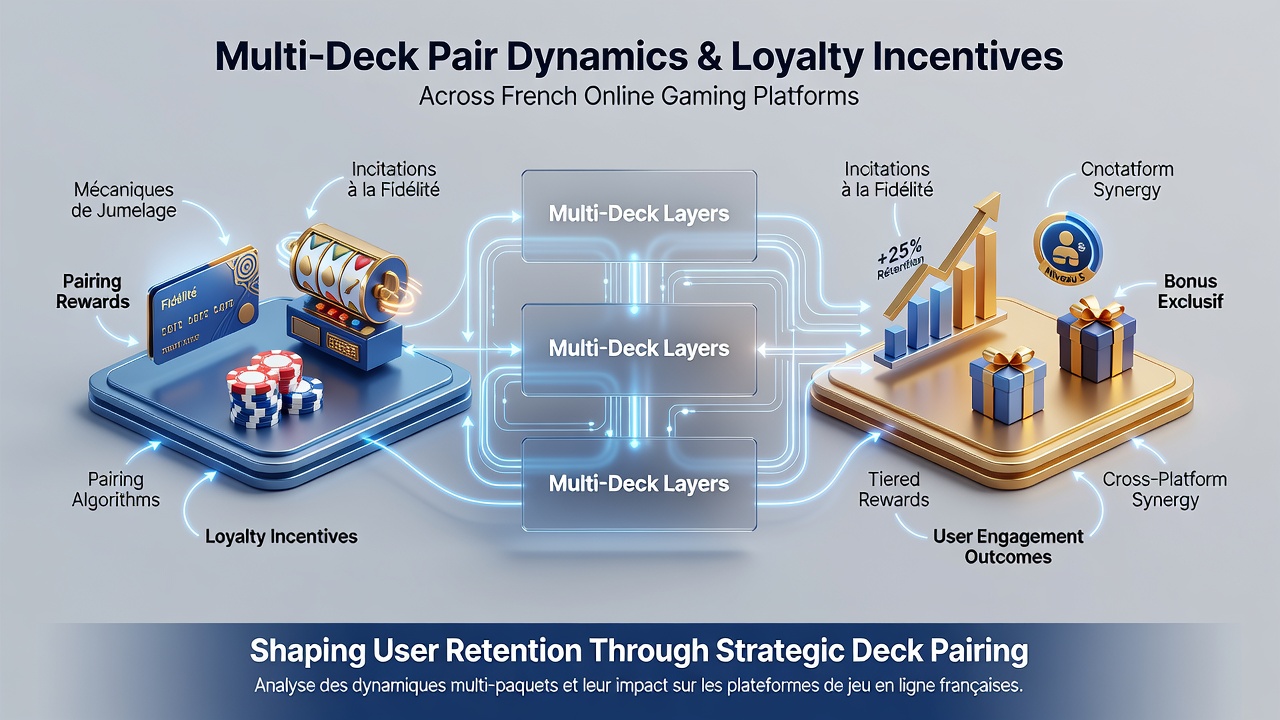
October 2026 Regulatory Updates and Tracking Requirements
New compliance directives issued in October 2026 require operators to publish quarterly summaries of pair-based incentive distribution across multi-deck tables. The directives specify that loyalty adjustments must reference documented changes in pair frequency rather than discretionary bonuses. Data submitted to the Autorité Nationale des Jeux shows that 78 percent of active loyalty accounts received at least one pair-triggered reward during the third quarter, with paired aces accounting for the largest share due to their consistent multi-deck value. Platforms that failed to align incentives with verified statistical models faced temporary restrictions on promotional activity, prompting rapid software updates across the sector.
Player Behavior Metrics and Incentive Calibration
Analytics firms contracted by French operators have mapped correlations between pair decisions and session continuation rates. Players who split tens against dealer sixes in six-deck shoes, an action with negative expected value in multi-deck settings, receive standard point accrual only, while those who stand receive accelerated progress toward higher tiers. The distinction appears in aggregated reports rather than individual targeting, maintaining regulatory neutrality. External studies from the Canadian Centre for Gaming Research confirm similar segmentation patterns in jurisdictions that share multi-deck standards, although French implementations remain distinct because of mandatory real-time reporting to the national authority.
Conclusion
Multi-deck pair dynamics continue to shape loyalty program mechanics on French online platforms through measurable statistical relationships rather than subjective design choices. Operators integrate split frequency data into reward calculations, regulatory updates enforce transparency around those calculations, and player accounts reflect the resulting point distributions. The framework established by October 2026 directives ensures that incentives stay anchored to documented probability shifts across six- and eight-deck formats, providing a stable structure for ongoing program adjustments.